Stop Layer 7 DDoS Attacks
Apply Layer 7 DDoS protection at the edge: block application-layer request floods, Slowloris-style abuse, and bot-assisted traffic spikes while preserving the clean path for real users.
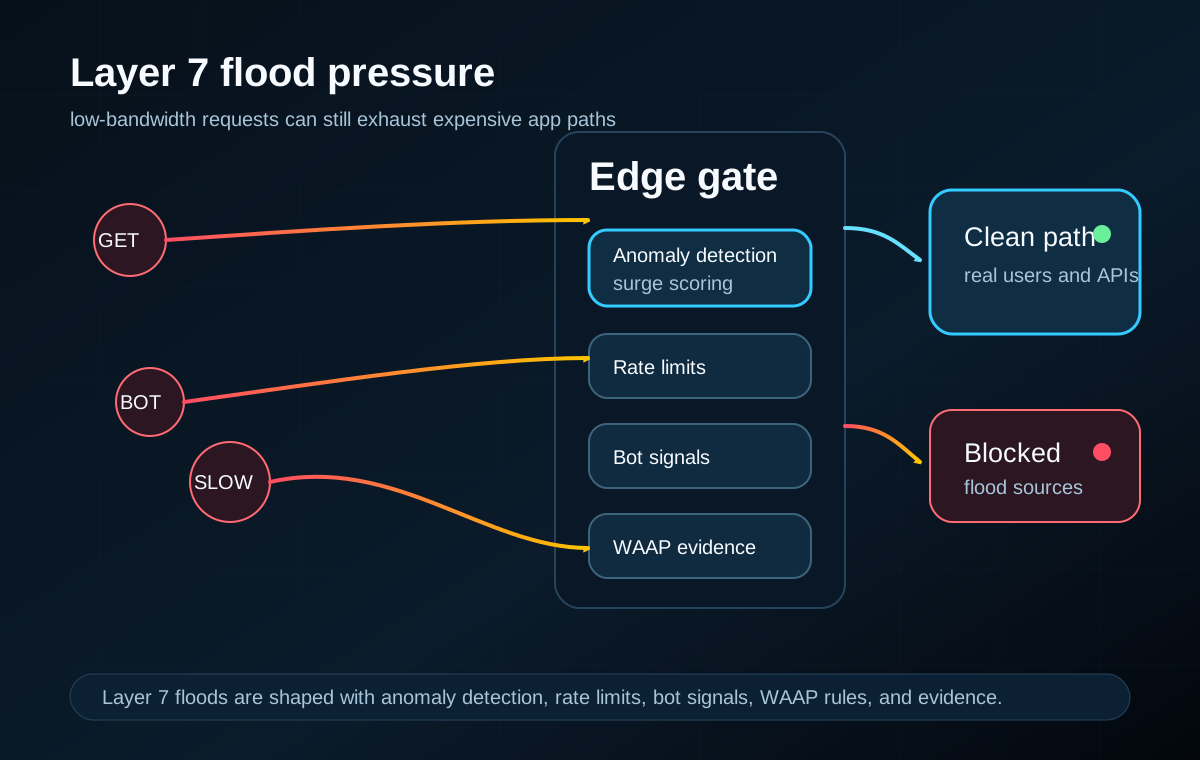
Attackers Pressure the Application Path
Layer 7 DDoS attacks do not need huge bandwidth to cause damage. They target expensive application routes with request floods, slow sessions, and bot-assisted surges that look enough like real traffic to slip past simple network filtering.
Request Floods
HTTP GET and POST floods concentrate traffic on search, login, API, checkout, and other costly application paths.
Slow Sessions
Slowloris-style abuse ties up connection and worker capacity without always producing obvious volume spikes.
Bot Surges
Distributed automation blends with legitimate demand, rotating sources and user agents while pushing origin systems toward exhaustion.
Edge Controls Separate Attack Traffic From Real Users
Peakhour evaluates Layer 7 pressure at the edge, then applies anomaly detection, rate controls, bot signals, and WAAP policy before traffic reaches the application. Layer 7 DDoS mitigation is not just blocking abuse; it is preserving a clean service path under pressure.
Edge Detection
Traffic baselines and behavioural signals identify sudden route-level pressure before origin capacity is consumed.
Rate and Bot Controls
Adaptive limits, bot classification, and challenge decisions suppress abusive automation without flattening legitimate users.
WAAP Enforcement
Application firewall and API controls inspect high-risk requests so exploit attempts and malformed traffic are stopped in the same path.
Clean Delivery
Allowed requests continue through the protected route, with mitigation decisions recorded for response, tuning, and review.
Operational Evidence Keeps the Service Resilient
During an attack, operations teams need to see the pressure pattern, the edge decisions being applied, and whether clean traffic is still reaching the service. Peakhour ties those views together so mitigation can be tuned during the event and reviewed afterwards.
Security and platform teams leave the incident with a shared record of attack pressure, control decisions, and service continuity.
Related evidence
Layer 7 Attacks Reduced in Production
Customer examples that connect Peakhour controls to production outcomes.

Kitchen Warehouse
COVID-19 Traffic Surge Success
How Australia's #1 online kitchenware retailer thrived during COVID-19's unprecedented traffic surge and achieved 150% revenue growth with Peakhour's performance solutions.
Stone & Chalk
Fintech Hub Enterprise Security
How Australia's leading fintech hub secured hundreds of startups with enterprise-grade application security, zero-day vulnerability protection, and comprehensive threat management.
Move from Layer 7 Pressure to Edge Actions
DDoS Mitigation Platform
Use one mitigation path for detection, challenge, throttle, block, clean delivery, and incident review.
Bot Management
Score the automation, fingerprints, proxies, and cadence that often drive Layer 7 floods.
Advanced Rate Limiting
Throttle abusive request classes by route, identity, fingerprint, geography, and behaviour.
WAAP and WAF Controls
Apply WAF and API policy when flood traffic is mixed with exploit attempts or malformed requests.
Turn Layer 7 Pressure Into Reviewable Edge Action
Learn More About Layer 7 DDoS Protection

Layer 7 DoS attacks and Full Page Caching
Discover how Full Page Caching can help mitigate layer 7 DoS attacks.
Read More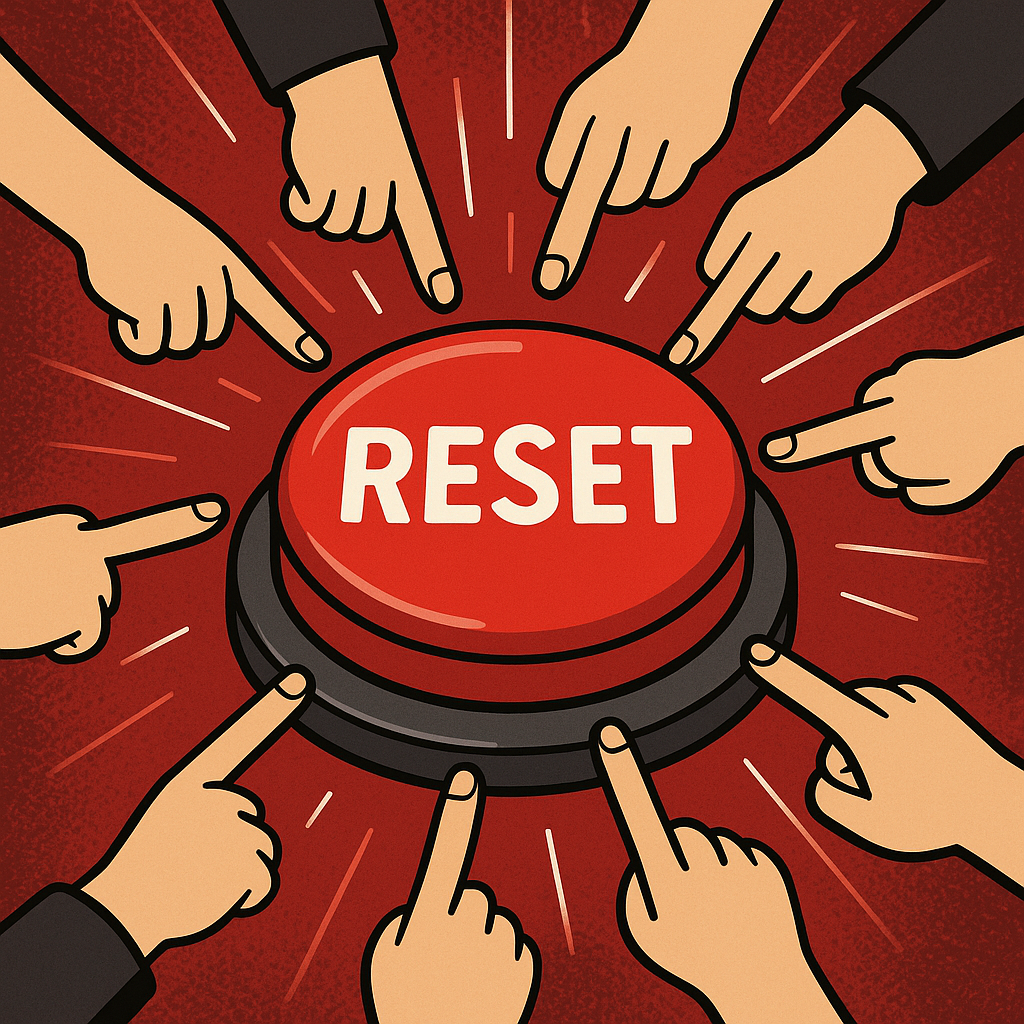
Understanding the HTTP/2 Rapid Reset Attack: What It Means and How to Stay Protected
A comprehensive breakdown of the HTTP/2 Rapid Reset flaw and guidance on bolstering defences against potential DDoS attacks.
Read More
IP Threat Intelligence
Discover and block threats through data enrichment using managed IP reputation lists.
Read More