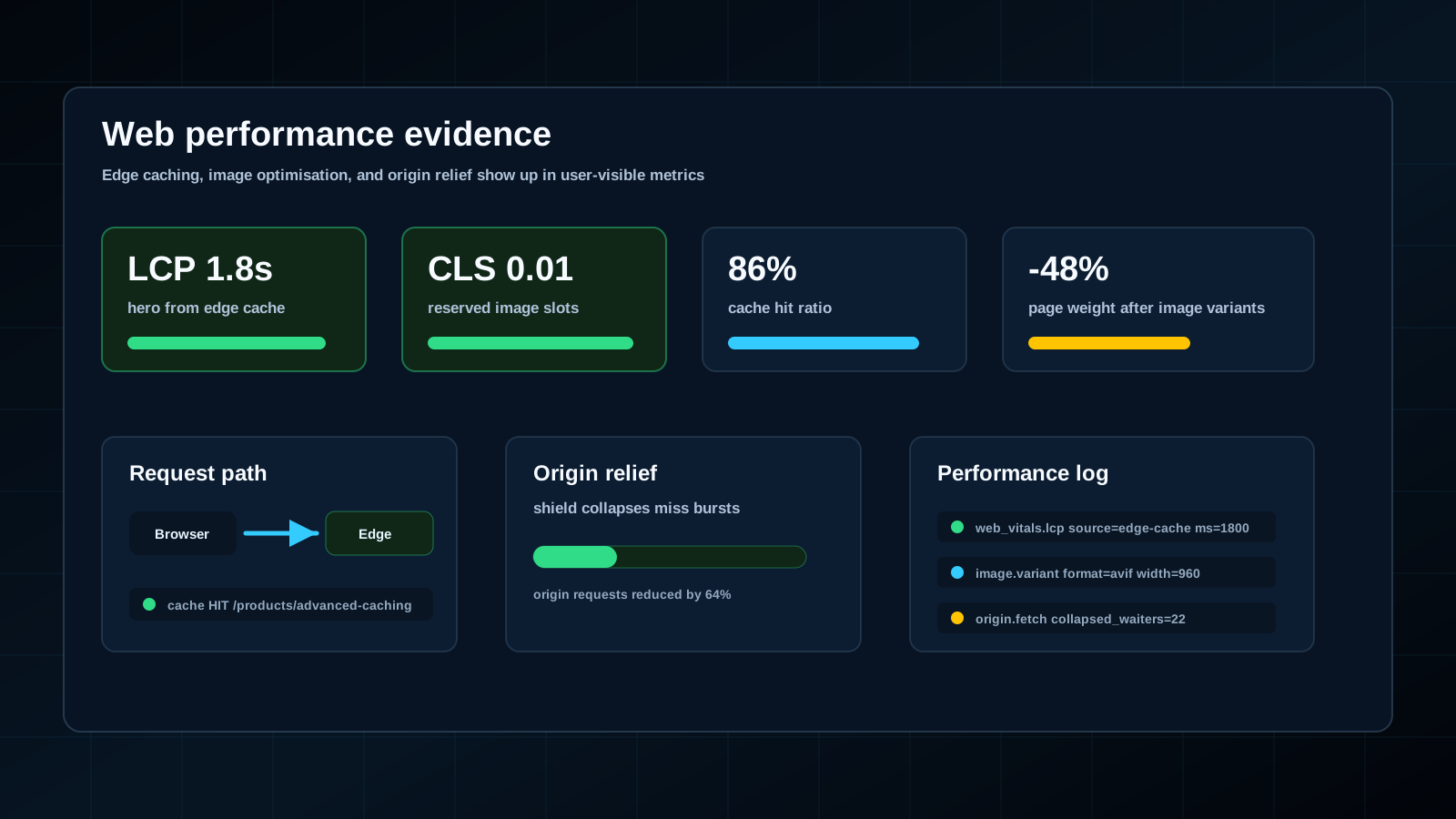
Origin relief: Show which routes were served from cache and which requests still reached origin.
Web Performance Optimisation
Make Faster Pages Prove Their Origin Relief
Connect cache decisions, image variants, Core Web Vitals evidence, and origin relief on one secure request path. Use Peakhour Edge for delivery and cache capability, or add Peakhour controls beside an existing edge provider.
When Speed, Media, and Origin Relief Split Apart
Cache Rules Without Page Evidence
A high hit ratio is useful only when it improves the pages visitors load. Peakhour ties cache keys, hit and miss causes, and shielded fetches back to latency, LCP, and origin requests.
Images That Stay Too Heavy
Oversized JPEGs, missing responsive variants, and unstable dimensions can keep LCP slow and CLS noisy even when the rest of the page is cached well.
Origin Relief Hidden from Review
When cache misses, transformations, bot filtering, and origin fetches live in separate reports, teams cannot see whether faster pages are also reducing backend pressure.
Start with the Delivery Path Visitors Actually Use
The same request path has to answer four questions: can this response be served from cache, can the image be smaller and stable, did the change improve Web Vitals, and did it keep unnecessary traffic away from origin?
Cache Outcome
Route-aware keys decide hit, miss, stale, bypass, and purge behaviour before the request becomes origin work.
Image Outcome
Peakhour negotiates AVIF or WebP, selects responsive variants, and preserves dimensions so media helps LCP without adding layout shift.
Origin Outcome
Shielded misses and repeated optimised responses reduce duplicated fetches, backend load, and egress pressure.
Peakhour Keeps Those Controls on One Request Path
Cache rules, image transformation, security filtering, and origin shielding are evaluated together so a performance change can be measured against visitor experience and backend relief.
-
Cache Near the Visitor
Serve repeat responses from edge cache, collapse misses through shield layers, and use purge or stale controls when content changes.
-
Transform Images Once
Generate responsive AVIF and WebP variants on demand, cache the useful outputs, and keep published source images unchanged at origin.
-
Track Web Vitals Evidence
Review LCP, CLS, page weight, edge latency, cache hit ratio, image savings, and origin fetches as one performance record.
Operational Evidence
1
2
Measure the Path, Not Just the Tuning Work
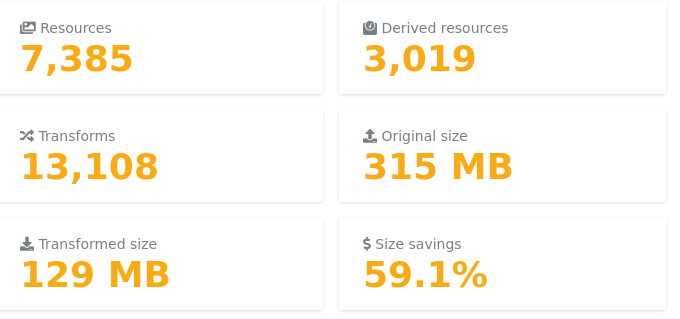
Performance reviews need proof that each control moved something visible: lighter media, more cache hits, lower latency, fewer origin fetches, and healthier Core Web Vitals.
Web Vitals: Close the loop with LCP, CLS, latency, page weight, and cache evidence.
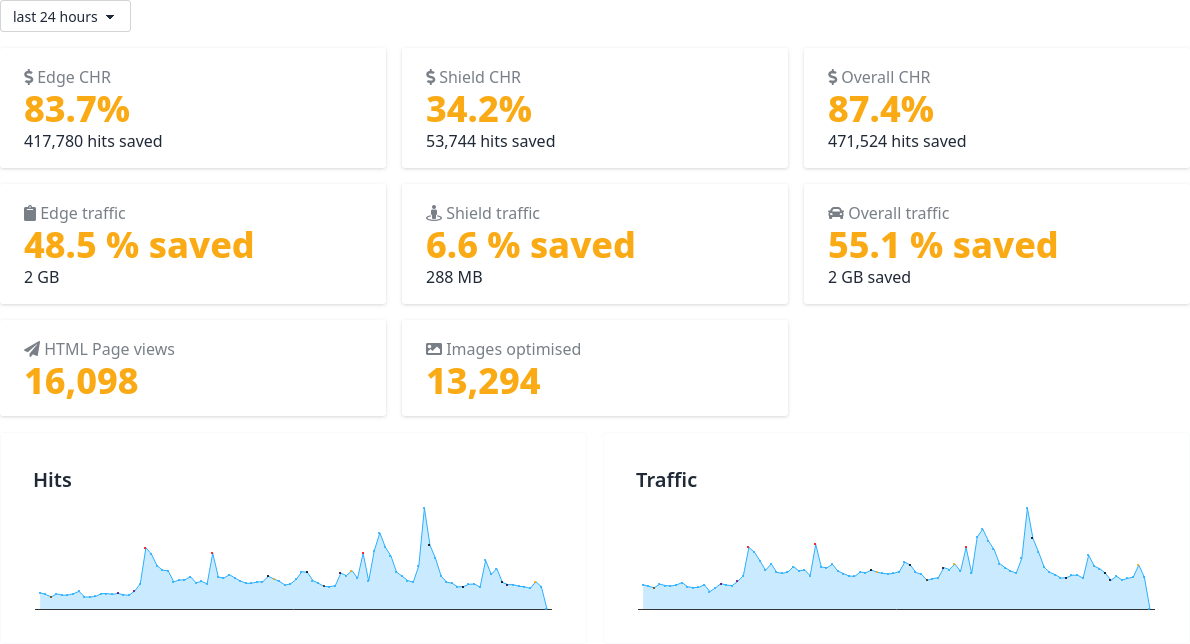
CacheHit, miss, stale, bypass
Images315 MB to 129 MB
Controls That Move the Same Scoreboard
Tune delivery without separating the user experience from the infrastructure outcome.
-
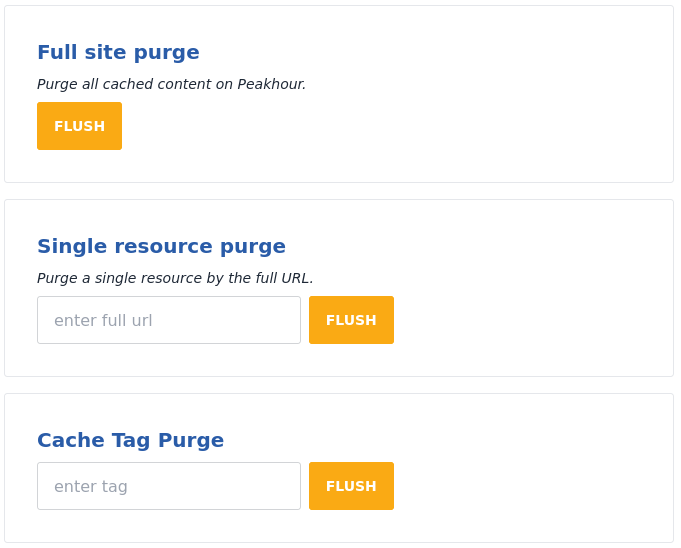
Use keys, tags, freshness, stale revalidation, and purge controls matched to real application paths.
-
Serve AVIF and WebP variants sized for the requesting device while retaining stable rendered dimensions.
-
Use HTTP/3 and Brotli where they reduce transfer and connection overhead for real visitors.
-
Track LCP, CLS, edge latency, cache hit ratio, page weight, image savings, and origin fetches together.
-
Collapse duplicate misses and reduce backend pressure while keeping the cache hierarchy visible.
Connect the Performance Controls
Advanced Caching
Control cache keys, freshness, purge state, hit ratio, and origin fetches on the delivery path.
Image Optimisation
Deliver responsive AVIF and WebP variants while keeping image dimensions stable.
Improve Core Web Vitals
Connect delivery changes to LCP, CLS, page weight, and latency movement.
Related evidence
Performance Proof in Production
Customer examples that connect Peakhour controls to production outcomes.

Kitchen Warehouse
COVID-19 Traffic Surge Success
How Australia's #1 online kitchenware retailer thrived during COVID-19's unprecedented traffic surge and achieved 150% revenue growth with Peakhour's performance solutions.
70% Improvement in Load Times
150% Increase in Revenue Year on Year
85% Of All Traffic Served from Cache
Read case study

Quad Bike King
Automated Optimisation Success
How a family tour business saved developer costs, improved load times by 3.5 seconds, and increased sales by 50% with Peakhour's automated optimisation.
3.5s Improvement in Load Times
1.3MB Reduction in Page Weight
50% Increase in Sales
Read case study

LegalVision
Scaling with Performance
How Australia's innovative commercial law firm scaled from a two-person startup to 150+ employees whilst becoming the country's #1 online legal service provider.
4k Threats Blocked Per Day
41.7x Fewer Origin Renders
300% Improvement in DOM Load Times
Read case study
Turn Performance Tuning into a Measurable Delivery Path
Review cache policy, image savings, Web Vitals movement, and origin relief with Peakhour engineers.
More on Faster, Safer Delivery

Application Performance Optimisation
Comprehensive guide to application performance optimisation with integrated security testing.
Read More
Core Web Vitals Optimisation
Comprehensive guide to Core Web Vitals optimisation with integrated security.
Read More
Common Issues That Affect Website Performance
After covering testing we're going to get an overview of the common issues that impact website load times and how to check for them.
Read More