Protect SaaS Platforms
SaaS teams need to protect tenant APIs, login flows, integrations, and customer-facing uptime without turning every growth spike into a security or performance incident.
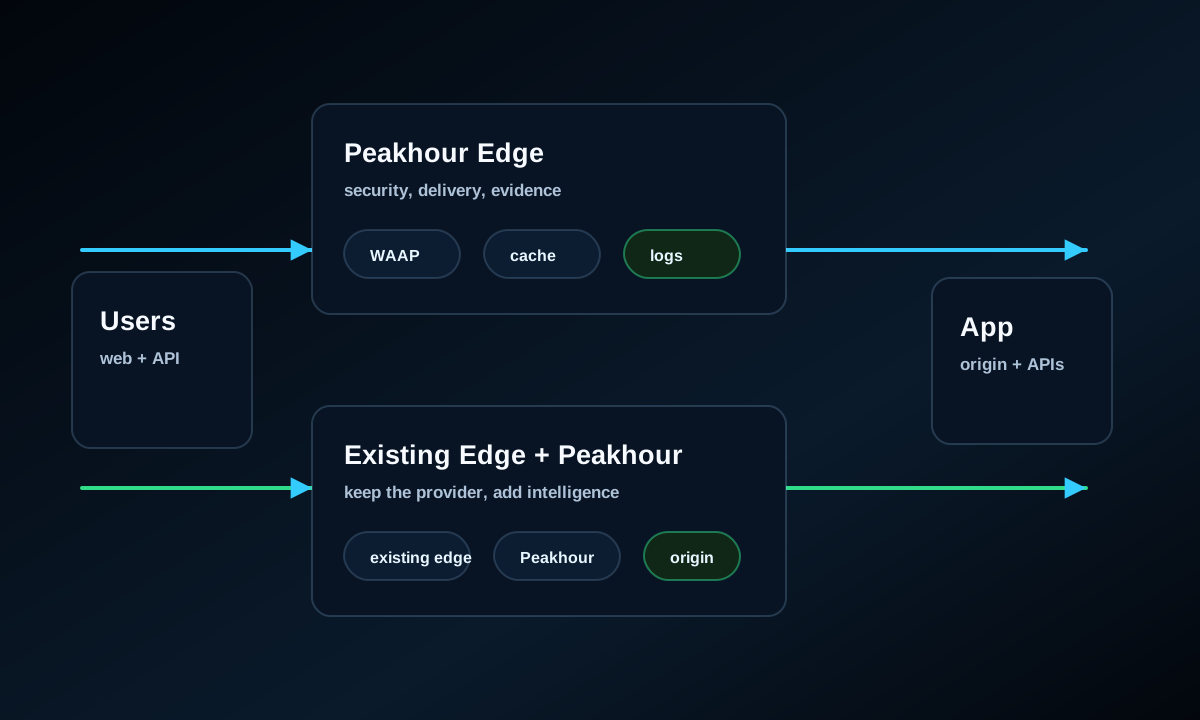
Where SaaS Platforms Lose Trust
Tenant APIs Carry Customer Risk
REST, GraphQL, WebSocket, webhook, and integration routes expose account data, automation surfaces, and partner access that need policy by route and tenant context.
Enterprise Buyers Expect Evidence
Security reviews, SOC 2 programs, and customer incident questions require exportable decisions, audit logs, and clear explanations of what happened to production traffic.
Uptime Depends on Control Quality
Abuse, origin pressure, cache misses, and traffic bursts can affect onboarding, dashboards, APIs, and billing paths unless performance controls stay tied to security decisions.
SaaS Abuse Looks Like Normal Product Usage
Credential tests, API enumeration, scraper traffic, integration mistakes, and customer-specific spikes often arrive through the same routes used by legitimate tenants. Peakhour links request, identity, bot, rate, API, cache, and origin context before the application has to absorb the load.
Account and Session Abuse
Compromised customer accounts can expose tenant data, admin workflows, billing settings, and integration credentials.
API Shape and Rate Drift
Changing routes, undocumented endpoints, and uneven tenant traffic make static controls brittle unless production behavior stays observable.
Customer Confidence
Enterprise customers want to know that controls protect availability and data access without adding hidden friction to real users.
Put Tenant and API Controls on the Request Path
Peakhour evaluates SaaS traffic before it reaches the app tier, using route, identity, bot, IP, payload, rate, and cache context to choose the right action for each request.
Controls can be tuned around the SaaS paths that matter most.
- Login and admin paths can detect credential stuffing, suspicious sessions, and abnormal administrative access.
- REST, GraphQL, WebSocket, webhook, and integration routes can be governed with schema, rate, and abuse context.
- Tighter controls can apply to sensitive tenants, regions, or routes without treating every customer journey the same.
- Requests can be allowed, challenged, throttled, blocked, cached, or routed at the edge with decision evidence attached.
Give Security Reviews More Than a Dashboard Claim
Customer trust depends on being able to explain production controls. Peakhour keeps decisions, logs, and route evidence connected so security, platform, and customer success teams can answer enterprise review questions with a shared record.
Trust evidence stays useful when it explains live production behavior.
- Request decisions can be exported to SIEM and monitoring tools for SOC 2, incident review, and customer assurance.
- Teams can see which signal led to allow, challenge, throttle, block, cache, or route decisions.
- Thresholds can be adjusted by route and risk without weakening protection across the whole platform.
Keep Performance Promises in the Same Operating View
SaaS reliability is not separate from security when the same traffic can pressure origin services, APIs, and dashboards. Peakhour combines edge delivery, caching, origin shielding, and traffic controls so platform teams can protect user experience while enforcing policy.
Performance controls stay tied to the same evidence trail.
- Safe responses can be cached and repeated work collapsed before application services are overloaded.
- Login, dashboard, API, billing, and onboarding routes stay visible during traffic spikes.
- Latency, cache behavior, blocked abuse, and clean delivery remain connected to the same edge control path.
Production Evidence for Controls and Performance
Roadmap visuals show how SaaS traffic should be governed. Dashboard evidence belongs after that control path is clear, where operators can confirm which routes were protected, which actions fired, and whether performance targets held under load.
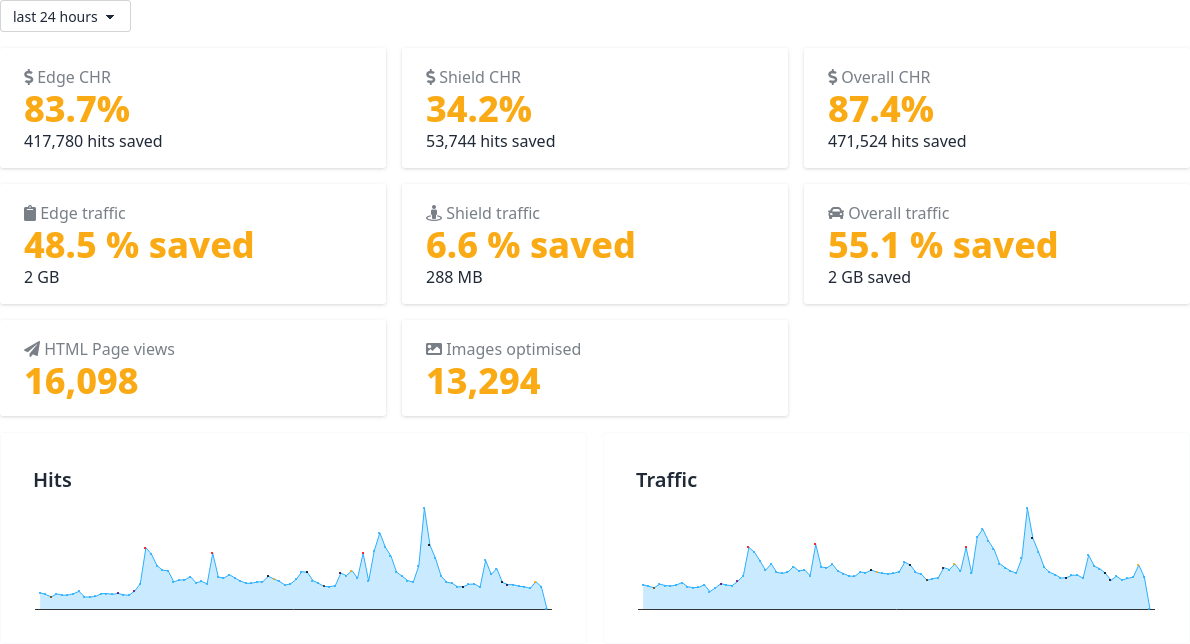
The evidence view lets platform and security teams tune rules with production context instead of relying on disconnected screenshots or generic uptime claims.
Protect the SaaS Paths Customers Depend On
Bring tenant APIs, customer trust evidence, and performance controls into one governed edge path before abuse or load reaches the application tier.