Secure Connected Vehicle Services
Owner apps, telematics platforms, dealer systems, and fleet portals now share one exposed service layer. Peakhour protects the API and web traffic around that layer before abuse can become account takeover, vehicle data exposure, or remote service misuse.
Peakhour protects owner apps, telematics APIs, dealer systems, and fleet portals before abuse reaches connected vehicle services.
The Automotive Service Layer Under Pressure
Owner Apps Become Control Surfaces
Remote unlock, charging, diagnostics, location, and subscription features depend on API calls that must distinguish the vehicle owner from automation, credential abuse, and replay attempts.
Telematics Expands the Data Risk
Vehicle state, trip, charging, service, and fleet data needs route-level access control, payload validation, and logging before sensitive signals leak through connected services.
Dealer and Fleet Portals Add Blast Radius
Internal portals, partner access, and fleet operations concentrate privileges. Peakhour helps enforce policy consistently across customer, dealer, and business-to-business paths.
Risk Enters Through Normal-Looking Requests
Automotive attackers rarely need to attack the vehicle directly. They probe account flows, API routes, partner access, and automation gaps until a normal service request can expose data or trigger an action it should not.
Credential Abuse
Compromised owner or fleet accounts can turn convenience features into high-impact account takeover paths.
API Shape Drift
Undocumented routes, changing payloads, and inconsistent authorization rules create gaps between intended service design and production behavior.
Trust and Compliance Exposure
Security teams need defensible evidence for UNECE R155, ISO 21434, privacy obligations, and incident reviews, not just a blocked-request count.
A Control Path for Vehicle-Adjacent Services
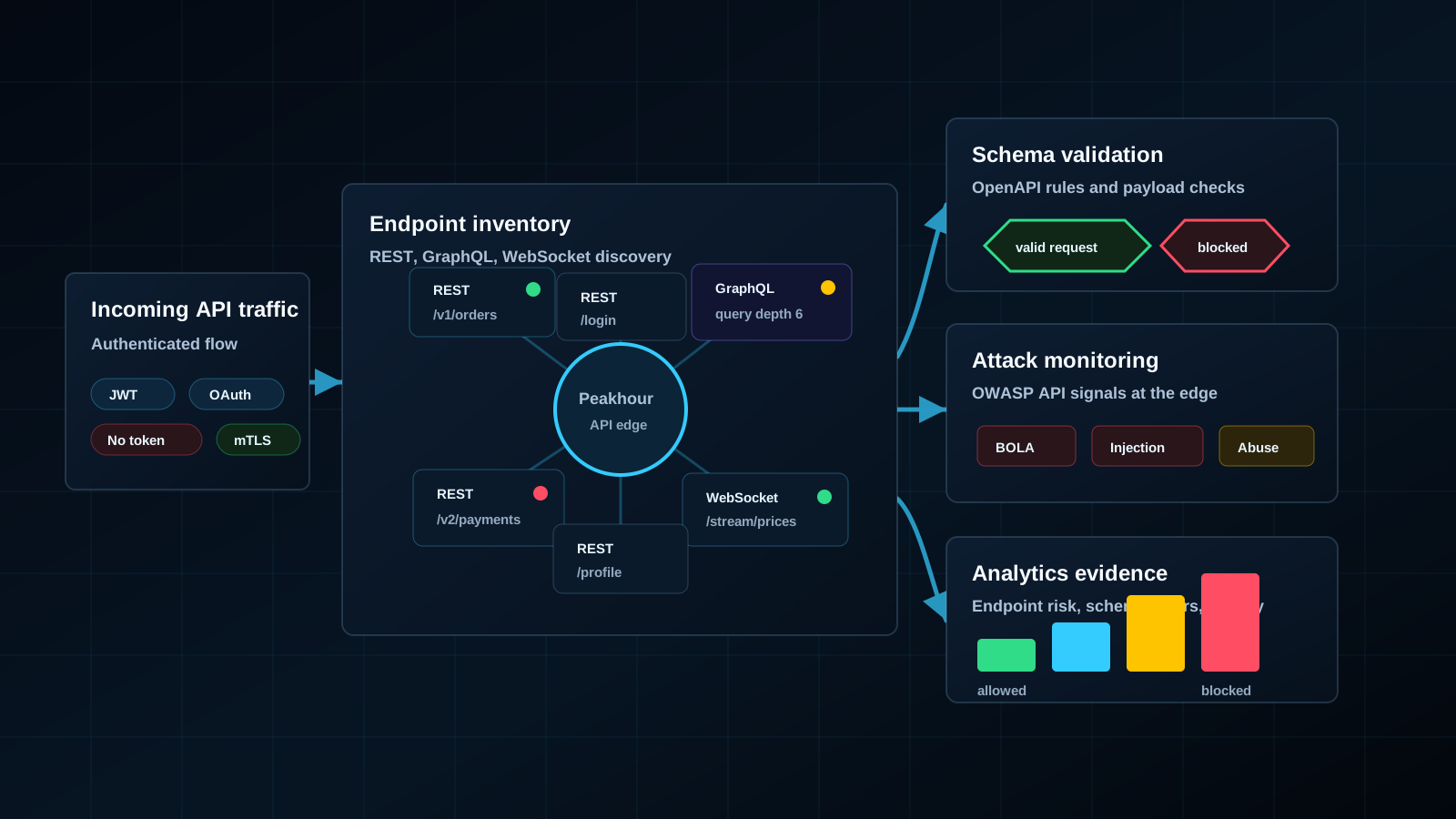
Peakhour sits in front of the web and API services that connect drivers, dealers, fleets, and vehicles. Each request is evaluated with route, identity, payload, bot, IP, and rate context before it reaches the service layer.
Controls applied across the vehicle service journey:
- Owner and Fleet Apps: Detect credential stuffing, suspicious automation, and abnormal session behavior before sensitive account actions proceed.
- Telematics APIs: Validate request shape, route intent, and access expectations for vehicle state, location, charging, diagnostics, and service data.
- Dealer and Partner Portals: Apply consistent access policy and abuse detection where privileged workflows can affect many vehicles or accounts.
- Clean Origin Delivery: Challenge, throttle, block, or allow requests at the edge so origin systems receive traffic with decision context attached.
Protection Maps to the Automotive Security Program
Connected vehicle cybersecurity programs need preventive controls and reviewable evidence. Peakhour gives security, platform, and compliance teams a shared view of how service traffic is governed in production.
-
Route-level API Assurance
Inventory and govern exposed service routes so owner, fleet, dealer, and telematics APIs can be assessed against expected behavior.
-
Abuse Decisions With Business Context
Combine bot, rate, IP reputation, authentication, and payload signals to choose the right action for login, remote service, data, and portal routes.
-
Evidence for Compliance Reviews
Export decision logs and request context to support security monitoring, supplier discussions, incident analysis, and compliance evidence.
Screenshots Support the Operating Evidence
Dashboards are useful when they prove what the control path is doing. Peakhour keeps screenshot evidence in its proper role: confirming live behavior for security operations, not replacing the architecture story.
Teams can review:
- Risk Signals: Bot, IP reputation, credential, API, and rate events tied to specific service routes.
- Policy Actions: Clear allow, challenge, throttle, and block outcomes for live automotive service traffic.
- Investigation Context: Logs that can be shared with platform, fraud, supplier, and compliance stakeholders.
Operational Proof for Security and Platform Teams
Once controls are deployed, operators need to see which routes are noisy, which actions are firing, and whether clean traffic still reaches the connected vehicle services that matter.
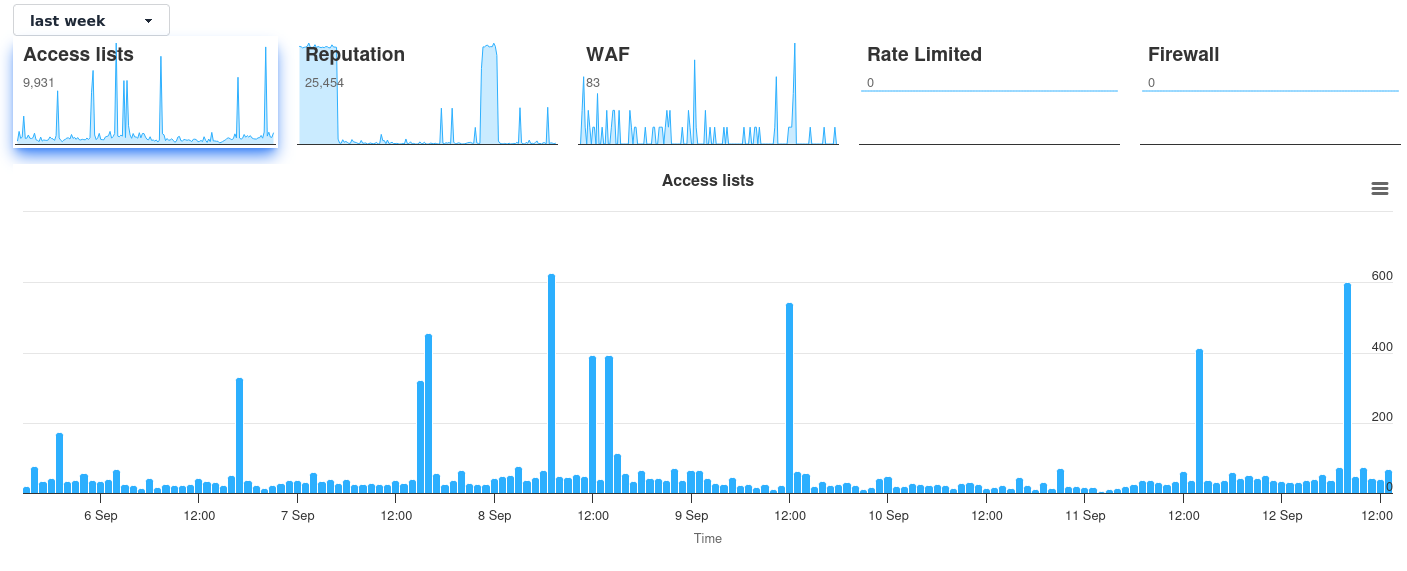
Dashboard evidence helps teams tune controls and prove behavior after the visual roadmap has established how the request path should work.
Protect the Services Behind Connected Vehicles
Start with the exposed web and API paths around owners, fleets, dealers, partners, and telematics. Peakhour helps turn those paths into governed, observable security controls.
Learn More About Automotive and API Security

Advanced Rate Limiting for API Security
How advanced rate limiting protects modern applications and APIs from sophisticated threats.
Read More
Residential Proxies, Friend or Foe?
This article explores the world of residential proxies, revealing the challenges and ethical questions they pose in our GeoIP-dependent digital landscape.
Read More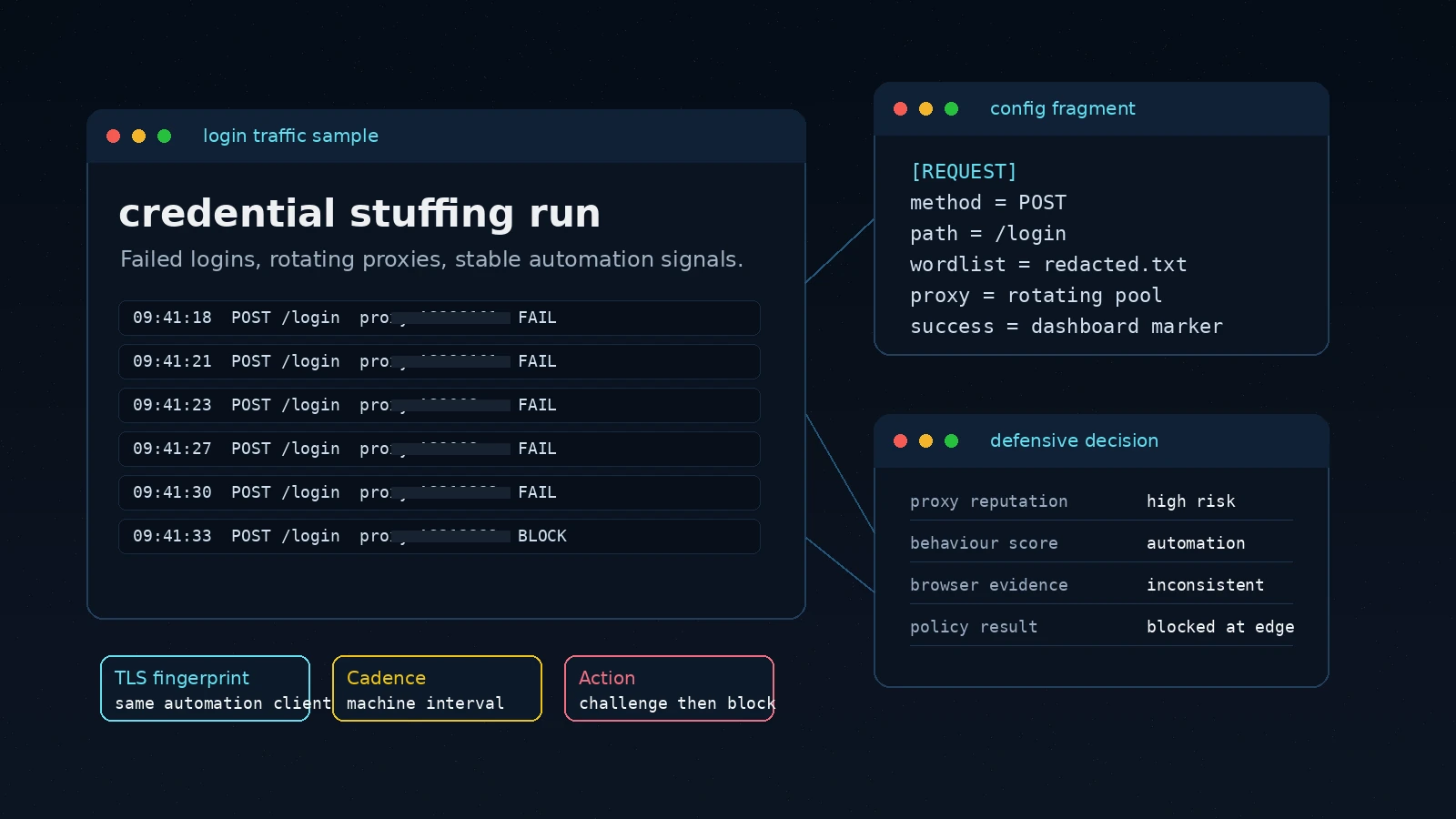
The Rise of OpenBullet: Automation Tool or Cybersecurity Threat?
A comprehensive look at OpenBullet, its capabilities, and the implications for cybersecurity in the face of its misuse.
Read More