Risk-Based Decisions for Every Login
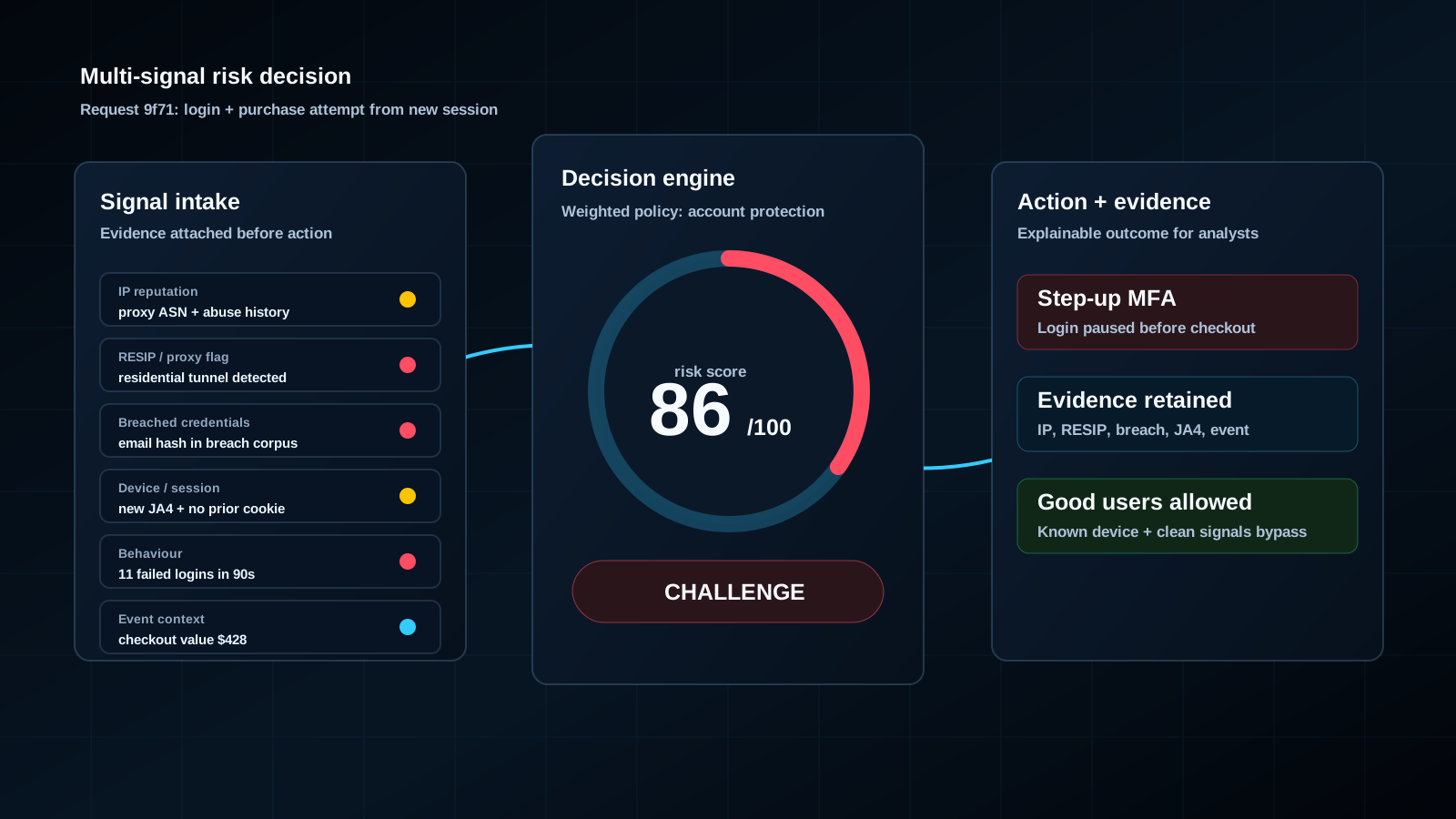
Peakhour scores each account request with credential exposure, residential proxy use, IP reputation, device history, behaviour, account event context, and the route it arrived through so low-risk users continue while suspicious sessions are challenged, logged, or blocked.
Authentication Needs the Request Context Around It
MFA and password checks still matter, but attackers now arrive through residential proxies, anti-detect browsers, reused credentials, and scripted login flows. The decision has to understand the request, the route it used, and the controls already in front of the app before applying friction.
Credential Checks Miss the Delivery Pattern
A password match can still be risky when it arrives from a first-seen device, a proxy network, or a burst of failed attempts against similar accounts.
Static Friction Punishes Good Customers
Blanket challenges slow down trusted users and create support noise, while sophisticated attacks learn which checks always appear.
Security Evidence Gets Split Across Tools
Teams need to explain why a login was allowed, challenged, or blocked without stitching together identity logs, bot telemetry, proxy intelligence, and CDN or cloud-edge records by hand.
Turn Signals Into the Right Account Action
Peakhour evaluates context at the edge, whether it is fronting the app directly or adding intelligence beside an existing CDN or cloud edge. It then passes a governed decision into the account flow so the same request can be allowed, challenged, logged for review, or blocked before sensitive account changes occur.
-
Credential and Account Event Signals
Combine breached credential checks, failed-login history, password reset attempts, saved-payment context, and high-value account activity.
-
Proxy, IP, and Device Posture
Detect residential proxy use, poor IP reputation, first-seen devices, automation fingerprints, and location anomalies before trust is granted.
-
Adaptive Friction
Apply challenge or step-up checks only when risk justifies it, while trusted sessions keep the shortest path through login and checkout.
-
Decision Evidence
Record the score, contributing signals, action, and policy version so fraud, security, and support teams can review outcomes.
The Score Stays Attached to the Account Event
Contextual security is useful only when the action can be explained. Peakhour keeps the request signal, score, policy action, and evidence trail together, even when login traffic moves across clouds, CDNs, or origin pools.
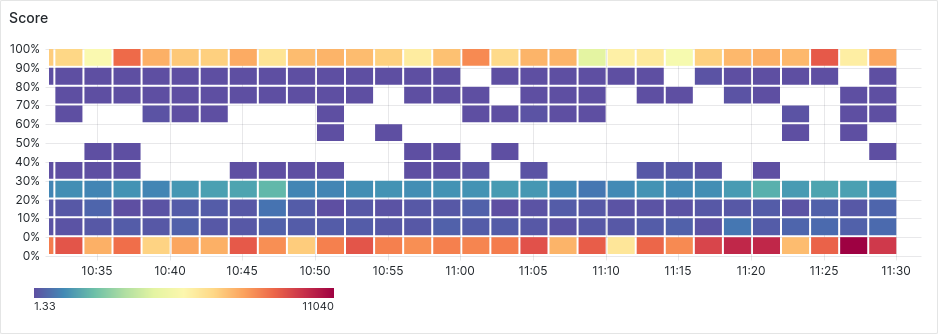
Security and fraud teams can adjust account controls from observed behaviour instead of treating authentication as a static gate.
Related evidence
Risk Decisions Proven in Production
Customer examples that connect Peakhour controls to production outcomes.

Gumtree
Improving Traffic Quality and Reclaiming Platform Control
Gumtree, Australia's leading marketplace, battled significant bot traffic that skewed analytics, enabled scammers, and increased infrastructure costs. Peakhour's bot management solution improved the origin traffic mix, cleaned up campaign analytics, protected A/B testing data, and created a new revenue stream.

Pharmacy Direct
Healthcare Security & Bot Protection Case Study
How Australia's first online pharmacy secured patient data and prevented healthcare fraud with advanced bot protection whilst saving their $900k platform investment.
Explore Account Risk Controls
Verified Browser Trust
Add a verified browser signal beside credential, proxy, device, behaviour, account, and route context.
Account Protection
Prevent credential stuffing and account takeover attacks with risk-aware controls.
Residential Proxy Detection
Identify residential proxy traffic that hides automated account abuse.
Breached Credentials
Check account attempts against exposed credential intelligence.
Apply Account Friction Where Risk Justifies It
Learn More About Contextual Security
Account Protection and User Experience in Web Applications
Explore strategies to enhance web application security without compromising user experience, focusing on contextual security and adaptive authentication measures.
Read More
Why Multi-Factor Authentication Alone Can't Stop Account Takeovers
As cybercriminals employ AI and residential proxies to bypass multi-factor authentication, businesses must adopt a multi-layered security approach to protect against account takeovers.
Read More
The Challenge of Proxy Detection: Limitations of Current Solutions
Examine why current security solutions fail to detect and mitigate threats from residential proxies, and the need for comprehensive protection strategies.
Read More