
At Peakhour, we spend a lot of time looking at e-commerce architecture trends. Single Page Applications (SPAs) and headless commerce keep coming up, with tools such as Nuxt.js, Strapi, Hydrogen, and Gatsby leading many builds. These tools can make frontend work faster and more flexible, but they also put more e-commerce data behind APIs that scrapers can target.
Single Page Applications (SPAs) and headless e-commerce have changed how many retailers build their storefronts. Frontend development tools like Nuxt.js and headless CMSs like Strapi are now common parts of that stack.
The trade-off is exposure. Product information is often available as JSON data, which makes it easier for scrapers to collect at scale. That raises a practical question: how do you secure data while still making it available through APIs?
Strategies for Data Protection
Data protection matters, but it is not a single control. These are the usual layers:
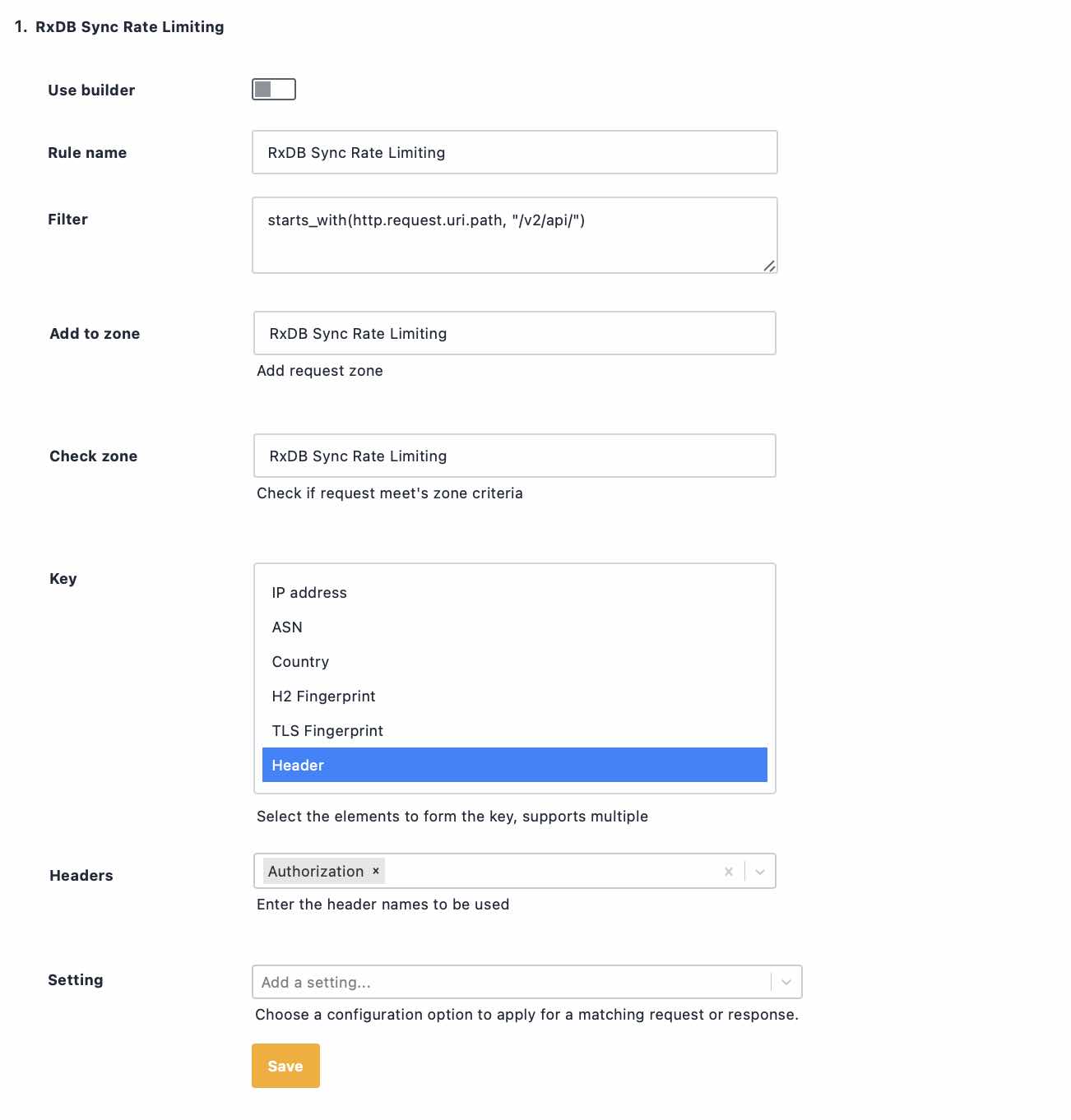
- Rate Limiting: Controls the number of client requests to your API within a set time frame.
- Bot Detection: Distinguishes between humans and bots based on behavioural patterns.
- Page Load Authentication: Secures the page load through bot detection and authenticates subsequent API calls.
- IP Threat Intelligence: Blocks suspicious IP addresses from accessing your API.
- GeoIP Filtering: Regulates requests based on geographical origin.
As bots change, those controls need to change as well.
Facing the Challenge of Headless Scraping
Headless scraping uses browsers without a user interface to imitate normal browsing. It is difficult to detect, but network fingerprinting can help.
Network fingerprinting examines network features like Transport Layer Security (TLS) settings and HTTP/2 (H2) parameters. By analysing these, companies can detect and block bots, adding another security layer.
Client-side Security in SPAs
In SPAs, where much of the processing happens in the user's browser, the security concerns shift:
- Data Exposure: Protecting sensitive data from leakage or manipulation is critical.
- Injection Attacks: SPAs must guard against attacks like Cross-Site Scripting (XSS).
- Authentication and Session Management: Properly handled, these prevent unauthorised access.
- Insecure Direct Object References (IDORs): Proper authorisation stops attackers from accessing others' data.
Risks in JavaScript Packages
SPAs usually depend on JavaScript libraries and packages. They are useful, but they also add supply chain risk. Using only essential packages, keeping them updated, and sourcing them from trusted providers reduces that risk. Supply chain audit tools can help automate the work:
Security audits need to be frequent because vulnerabilities can appear quickly. Tools like npm's npm audit or GitHub's Dependabot, along with regular penetration testing, can help uncover potential weaknesses.
Final Thoughts
The move toward SPAs and headless commerce is a trade-off between development flexibility and security exposure. These architectures can improve user experience and speed up delivery, but they also introduce new security issues.
Client-side security in SPAs needs deliberate attention. Data exposure, injection attacks, and insecure direct object references all need to be managed, and the convenience of JavaScript libraries brings its own vulnerabilities.
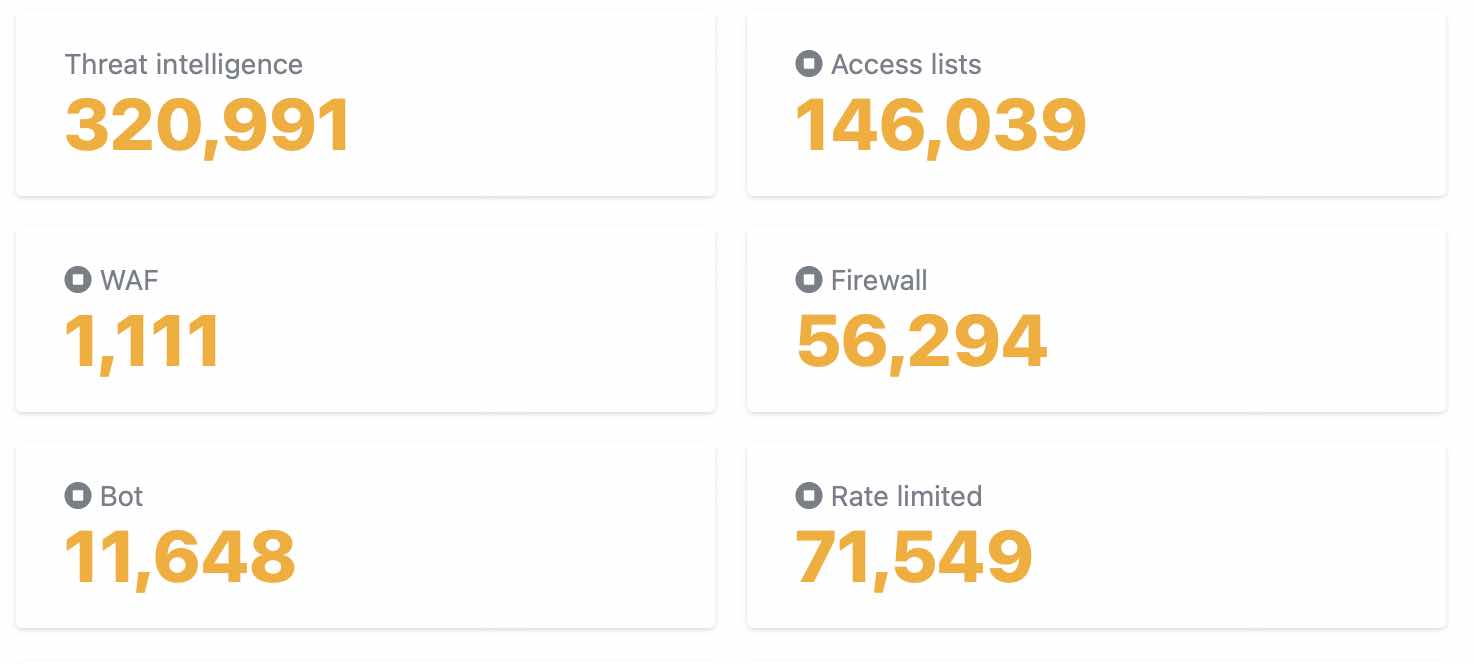
Peakhour addresses these problems with rate limiting that manages request traffic and helps prevent attacks without harming customer experience. Our Web Application Firewall (WAF) examines all payload data, adding another layer of protection.
Frequent security audits still matter. They help e-commerce managers keep SPAs and headless commerce operations secure without giving up the efficiency these architectures can provide.