
Marketing teams invest heavily in A/B testing to optimise websites, campaigns and user experiences. These tests inform decisions about design, content and functionality. Bot traffic undermines the validity of those decisions.
The Scale of Bot Traffic
Our research shows that bots generate half of all internet traffic. This includes legitimate bots, such as search engines, and malicious bots conducting attacks. For marketing teams, this creates a direct problem: your A/B tests include manipulated responses.
Bot traffic skews test results in multiple ways. Bots do not interact with different test variants the way real users do. They follow programmed patterns rather than genuine user preferences. This contaminates the data marketing teams use to make decisions about website changes, campaign optimisation and user experience improvements.
The Impact on Marketing Strategy
Contaminated A/B test results lead to flawed strategic decisions. Marketing teams might optimise for bot behaviour rather than real user preferences. This affects several areas of strategy:
Website Design - Teams select layouts and features that perform well with bots rather than humans. Navigation flows optimise for automated traffic patterns instead of genuine user journeys. Content decisions target bot consumption rather than human engagement.
Campaign Optimisation - Bot interactions corrupt conversion rate data. Teams allocate budgets based on manipulated performance metrics. Campaigns end up catering to bot behaviour instead of real customers.
User Experience - Interface changes are skewed by bot behaviour patterns. Feature development prioritises elements that score well with automated traffic. Content strategy aligns with bot consumption rather than human needs.
The Residential Proxy Challenge
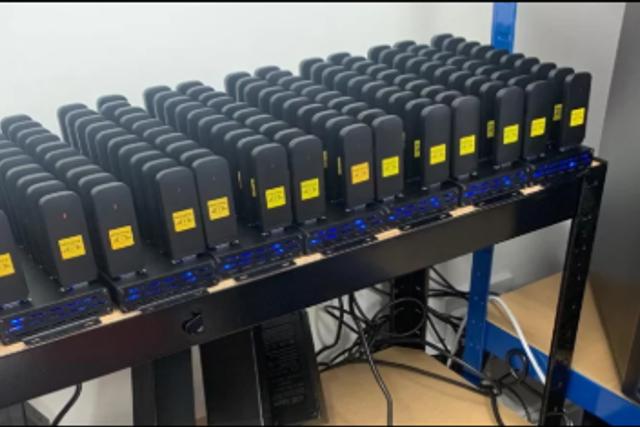
Residential proxy networks create a specific challenge for A/B testing. These proxies route bot traffic through real consumer IP addresses, making automated traffic look legitimate. Traditional bot detection methods struggle to identify this traffic.
Our research demonstrates that standard IP intelligence services miss up to 96% of residential proxy traffic. This means marketing teams include large amounts of proxy-based bot traffic in their test results without realising it.
Residential proxies mask sophisticated bot behaviour that mimics real users. The bots rotate through different residential IPs to avoid detection. They generate clicks, page views and conversions that appear genuine but represent automated rather than human interactions.
Protecting Your Tests
Marketing teams need protection measures that keep A/B test results valid. This requires a multi-layered approach to identifying and filtering bot traffic:
Detection starts with continuous monitoring of traffic patterns. Teams track user behaviour to identify automated interactions. This includes analysing click patterns, page view sequences and conversion flows that indicate bot activity.
Prevention requires sophisticated bot management capabilities. Our Bot Management solution blocks automated traffic while allowing real users to participate in tests. The system detects and filters residential proxy traffic so test data comes from genuine visitors.
Protection extends to API endpoints that support A/B testing infrastructure. Our API Security capabilities prevent bots from manipulating test data through direct API access. This ensures the integrity of test results across all interaction channels.
Making Informed Decisions
Understanding bot traffic helps marketing teams protect their investment in A/B testing. Data analysis must start by filtering bot interactions from genuine test results. Teams measure genuine user engagement rather than combined human and bot behaviour. This enables accurate assessment of test variants based on real user preferences.
Strategic planning improves once teams understand the impact of bots. Marketing decisions align with genuine user needs rather than artificial interactions. Campaign optimisation targets real customer segments instead of bot characteristics. Feature development prioritises elements that resonate with humans rather than automated traffic.
Budget allocation becomes more effective when based on clean data. Teams invest in changes that improve real user experiences rather than bot interactions. Campaign spending targets channels with verified human traffic. Development resources focus on features that drive genuine engagement.
Taking Action
Marketing teams must implement three key measures to protect A/B testing:
First, deploy comprehensive bot management to identify and block automated traffic. This forms the foundation for valid test results by ensuring participation from real users.
Second, implement residential proxy detection to prevent sophisticated bots from corrupting test data. This ensures traffic comes from genuine users rather than proxy networks.
Third, protect API endpoints that support testing infrastructure. Our Traffic Control solution provides protection across web and API interfaces.
Conclusion
Bot traffic undermines A/B testing and can push marketing teams towards flawed decisions. Past results may already contain bot interactions. The priority is to detect and filter that traffic before it shapes the next test, campaign or product decision.