
The DeepSeek story puts residential proxy networks under scrutiny as a possible factor in AI's latest market disruption. In January 2025, the Chinese startup's emergence erased $600 billion from Nvidia's market value by demonstrating AI capabilities that match industry leaders at a fraction of the cost.
The path to this capability raises a practical security question for AI platforms. Leading platforms protect their APIs with multiple security layers - rate limiting to prevent mass data extraction, bot detection to block automated requests, and geoblocking to restrict access from certain regions. These measures are meant to prevent the systematic collection of training data.
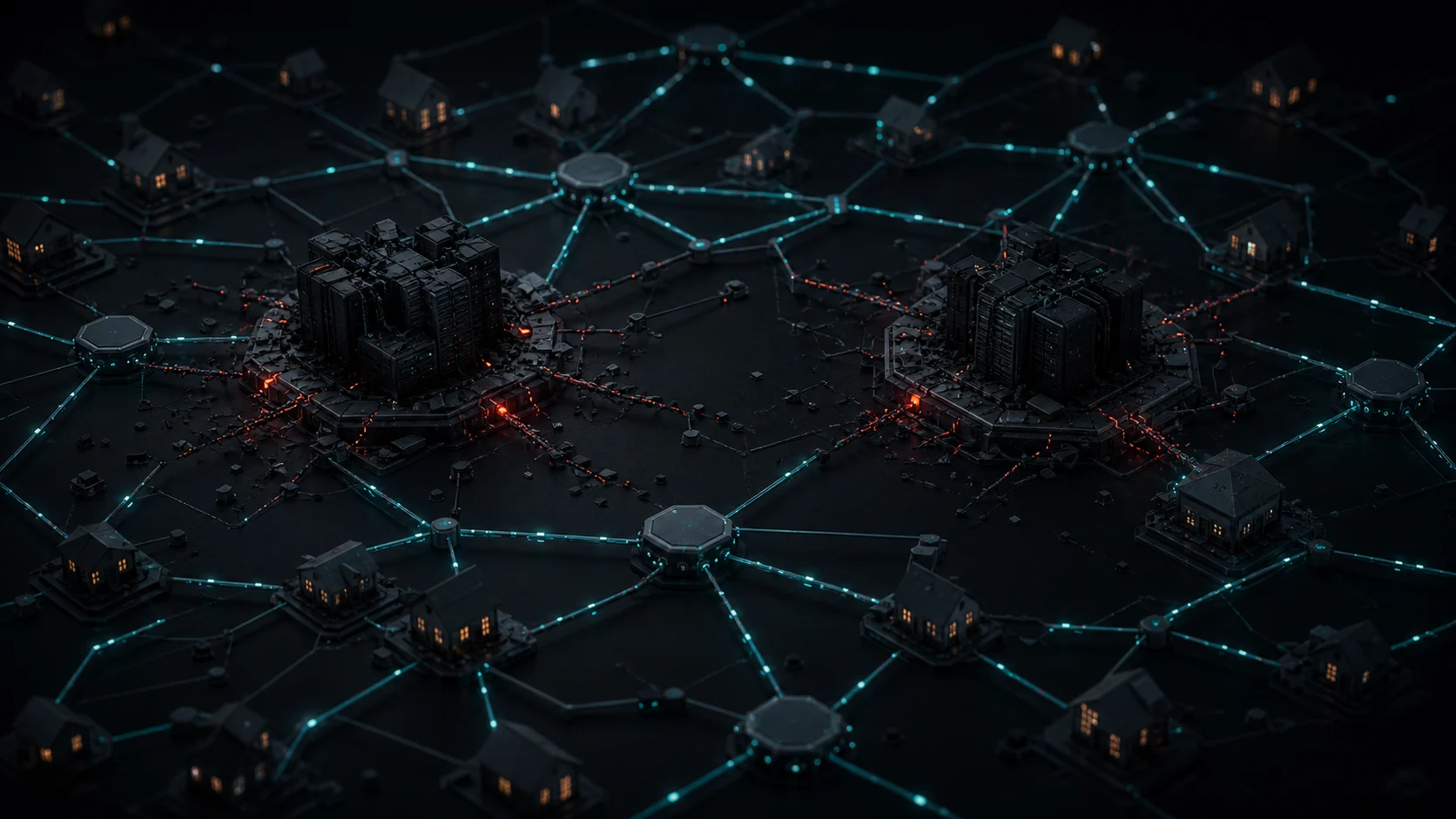
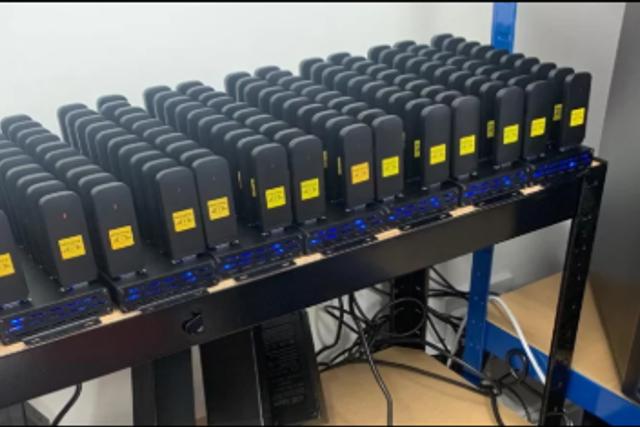
Residential proxy networks create a route around those protections. These networks route traffic through household IP addresses, so requests appear to originate from homes in permitted regions. A request from a restricted location could look like legitimate traffic from Sydney, Melbourne, or Perth.
The circumstances suggest this approach is plausible. By distributing requests across millions of residential IPs worldwide, each IP could maintain human-like patterns while staying below rate limits. The aggregate data could form a substantial training set without triggering security alerts.
Meta's lawsuit against Bright Data strengthens this possibility. The case exposed how proxy providers monetise residential IPs, often without homeowners' knowledge. That model creates a global network capable of bypassing traditional security measures - exactly the type of infrastructure needed for large-scale data collection.
The residential proxy industry threatens $600 billion in business value through data theft and security bypasses. DeepSeek's impact on Nvidia's market capitalisation highlights the real-world impact of residential proxies.
For AI platforms, the question is operational. How can platforms distinguish between legitimate users and well-crafted requests through residential proxies? When geographical restrictions lose meaning, what security measures remain effective? Traditional IP Intelligence based proxy detection based on historical usage is no longer effective; per-connection proxy detection is essential.
DeepSeek's emergence suggests AI security teams need to revisit their assumptions. The potential use of residential proxy networks to dissolve digital borders challenges current approaches to platform protection.