
Digital advertising fraud costs organisations $42 billion annually through fake clicks and fake impressions. The growth of residential proxy networks has changed how this fraud reaches campaigns: bot traffic can now hide behind legitimate residential IP addresses, putting it outside the reach of many traditional checks.
Hiding in the crowd
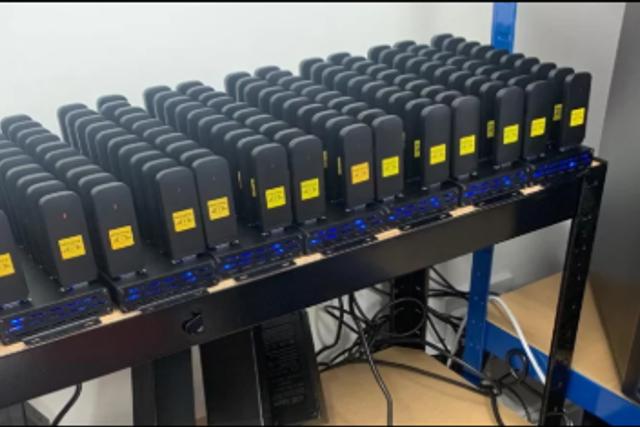
Residential proxies make bad traffic harder to separate from real visitors. Unlike data centre IPs that traditional tools can often detect, residential proxies hide behind real households' internet connections. This means the traffic appears to come from genuine users in your target market. When a residential proxy network operates from Sydney suburbs to attack an Australian campaign, existing protection systems can be fooled into treating it as authentic local traffic.
The impact extends beyond direct financial losses. Your analytics may show engagement from what appears to be your target demographic, while the activity is bot traffic masquerading as potential customers. This contaminated data can push marketing strategy in the wrong direction and waste retargeting spend. Competitors can also use fake clicks to drain your budget while gathering intelligence on your campaigns.
Bad data then compounds the spend problem. Once bots are counted as engaged prospects, reporting and optimisation start from the wrong signal. The result is not only wasted media spend, but poorer decisions built on traffic that should never have been treated as customer intent.
A growing threat
The residential proxy industry continues to expand. Services now offer millions of residential IPs with precise geographic targeting capabilities. They rotate IPs automatically and match real browser fingerprints. Without specialised detection methods, the traffic can become indistinguishable from genuine users.
This is a budget problem, not just a technical one. Each day without protection means 30-40% of your ad budget feeds bot networks instead of reaching customers. The corrupted analytics drive decisions that compound these losses. As residential proxy services grow more sophisticated, basic controls fall further behind.
Traditional IP reputation and rate limiting fail against this distributed threat because the IP addresses are not obviously suspicious. Protection requires advanced network fingerprinting that looks beyond IP addresses. Peakhour's Ad Fraud Protection analyses subtle patterns in how residential proxies connect and behave, and detects the signs of proxy traffic that other solutions miss.
Knowledge is power
Peakhour integrates this protection with your existing ad platforms to stop fraud before it affects your campaigns. Our customers have reduced wasted ad spend by 35% while improving campaign performance through cleaner analytics. The system adapts as threat techniques change, so detection keeps pace with new residential proxy methods.
Residential proxies have changed ad fraud because traffic that appears local and legitimate may mask sophisticated bot networks. Protecting your campaigns requires detection that goes beyond IP addresses and treats residential proxy behaviour as its own signal. Contact us to learn how we can help secure your ad spend against residential proxy networks.