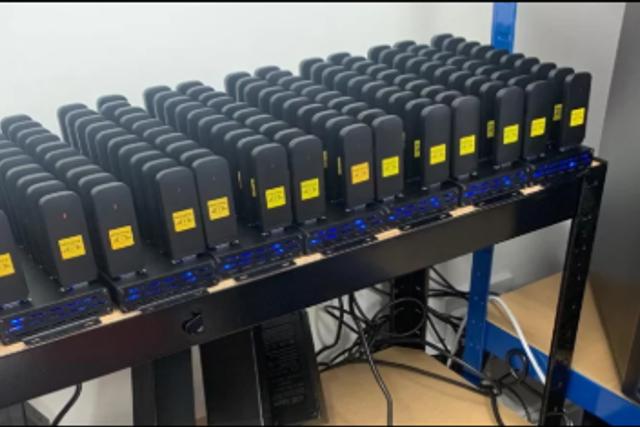

Our 2024 survey found that only 15% of Australian businesses use residential proxy detection. That leaves a measurable blind spot in many security programmes: traffic routed through real consumer connections is harder to separate from legitimate users. This article looks at why residential proxy detection is difficult and how to quantify the risk before choosing controls.
Understanding the Residential Proxy Threat Landscape
Residential proxies use IP addresses assigned to residential internet connections, so malicious traffic can look legitimate. This weakens controls built around IP reputation, GeoIP, and simple request thresholds, and creates a specific detection problem for security teams.
The effectiveness of residential proxies stems from their ability to:
- Use legitimate IP addresses, often from unsuspecting users
- Bypass IP-based rate limiting and traditional bot detection methods
- Evade geolocation restrictions, making GeoIP filtering less reliable
- Support large-scale attacks without triggering typical alarm thresholds
- Mimic legitimate user behaviour, which makes detection more difficult
These capabilities make residential proxies useful infrastructure for credential stuffing, data scraping, and attempts to bypass fraud detection systems. Because the traffic is distributed across many residential connections, attacks can stay below the thresholds that conventional controls rely on.
Limitations of Conventional Security Approaches
Conventional controls have clear gaps when they are applied to residential proxy traffic:
- IP-based detection misses constantly changing, legitimate-appearing IP addresses.
- GeoIP filtering becomes less useful against globally distributed residential IPs.
- User agent analysis struggles because proxies can mimic legitimate browsers.
- Standard rate limiting falters when attacks appear to originate from many unique IPs.
- Behavioural analysis based on known bot patterns may miss more careful proxy-based attacks.
These limitations point to a practical requirement: security teams need controls that assess context, not just static request attributes. Residential proxies make simple rule-based decisions less reliable, especially when attacks are distributed and deliberately low-noise.
Quantifying the Risk
To make a sensible decision about residential proxy controls, organisations need to quantify the risk. This involves:
- Assessing the potential financial impact of successful attacks via residential proxies
- Evaluating the likelihood of such attacks based on industry trends and organisational attractiveness to attackers
- Determining the effectiveness of current security measures against this specific threat
- Calculating the return on investment for implementing advanced detection and mitigation strategies
Risk quantification gives businesses a clearer basis for investing in residential proxy detection. It aligns security spending with actual threat levels and potential impacts, rather than broad concern or industry pressure alone.
Reframing Security
The challenge of residential proxy detection is less about one new control and more about how signals are combined. A useful approach includes:
-
Contextual Analysis: Analyse the full context of each request, not just its origin. This includes examining patterns of behaviour across multiple sessions and users.
-
Continuous Monitoring and Adaptation: Use real-time monitoring systems that can detect subtle patterns indicative of proxy use. These systems should continuously adapt to new attack vectors.
-
Risk-Based Authentication: Use dynamic authentication mechanisms that adjust based on the assessed risk of each session or transaction.
-
Holistic Data Analysis: Correlate data from multiple sources - including login attempts, transaction patterns, and user behaviour - to identify anomalies that may indicate proxy use.
-
Proactive Threat Hunting: Actively search for indicators of residential proxy use within your network and user base, rather than waiting for attacks to trigger alerts.
This approach moves beyond simple allow/block decisions and gives teams a better view of user and network behaviour.
Implementing Advanced Detection Strategies
Residential proxy threats need detection that looks beyond the source IP:
-
Machine Learning-Based Behavioural Analysis: Use AI and machine learning to identify patterns consistent with proxy use, even when individual actions appear legitimate.
-
Device Fingerprinting Beyond IP: Use advanced fingerprinting techniques that identify individual devices based on a combination of factors, making it harder for proxies to mimic legitimate users.
-
Network Traffic Analysis: Analyse network behaviour at a granular level to identify patterns consistent with proxy network traffic.
-
Adaptive Challenge Mechanisms: Deploy targeted challenges based on risk assessment, without disrupting legitimate user experiences.
-
Cross-Organisational Data Sharing: Participate in threat intelligence sharing networks to gain broader insights into residential proxy activities and emerging attack patterns.
When used as part of the broader security stack, these strategies improve defence against residential proxy threats.
Elevating Security Through Risk Quantification
Residential proxies are not only a technical detection problem. They change the risk model for web applications because attacker traffic can borrow the appearance of ordinary residential users. By adopting a risk quantification approach and implementing advanced detection strategies, organisations can:
- Align security investments with actual threat levels
- Improve detection of sophisticated, proxy-based attacks
- Strengthen overall security posture against evolving threats
- Make data-driven decisions about security priorities and resource allocation
Organisations that handle this well will be able to quantify their risk, adapt their security strategies, and implement intelligent detection mechanisms. The goal is practical: identify, analyse, and mitigate sophisticated threats before they cause material damage.
Effective protection starts with understanding the risk well enough to measure it.