
Bots are software applications that automate repetitive tasks without human interaction. They have become part of the normal infrastructure of the internet. Some bots are useful; others are bad bots. The latter are the concern for application and security teams.
Bad bots keep changing and are increasingly difficult to detect. They can cause significant financial damage to organisations by disrupting online operations, overwhelming websites with traffic, and stealing information such as web content and ecommerce pricing data.
Bad Bot Types
Bad bots span a wide range of attack capabilities and scenarios. The following are the main categories these attacks fall into:
Spam Bots
Spam bots typically target blog comment sections, community portals and lead generation forms with 'garbage' or fake content. They can also insert unwanted ads, malicious phishing links and banners into real-time conversations to disrupt the service and attack users.
Scraping Bots
Price, content and inventory scraping bots steal prices and product listings. This can damage an ecommerce site's revenue stream and harm SEO rankings when duplicate content appears on competitor and bogus sites. These bots also scrape product reviews, news, product catalogues and user-generated content. Scraper bots can harvest email addresses, images and text from victim websites, then repurpose that material to pose as legitimate web pages.
Credential Stuffing Bots
Credential Stuffing Bots attempt to use login details from other sites, or run brute force guessing attacks against customer and admin accounts. If successful, they can make purchases, harvest personal information and purchase histories, make unauthorised cryptocurrency transactions, and transfer reward points and money to gift cards and air miles.
Ad Click Fraud Bots
Ad Click Fraud Bots can sabotage competitors by clicking on their ads to drive costs up and exhaust budget caps. They can also be used to scam advertisers with fake websites and ad clicks that pay the fraudster directly. In both scenarios, bots automatically generate interactions or 'clicks' with ads, promotions and media.
Credit Card Stuffing Bots
Carding bots make repeated attempts to authorise stolen credit card credentials. This can leave merchant payment processors with chargebacks and penalties, and may ultimately result in the victim merchant being prevented from accepting credit cards altogether.
Inventory Denial Bots
Cart Abandonment and Inventory Exhaustion bots automatically add hundreds of products to ecommerce shopping carts, then abandon them. This can block consumers from buying products, reduce sales, manipulate conversion rates and damage a brand’s reputation.
DDoS Bots and Botnets
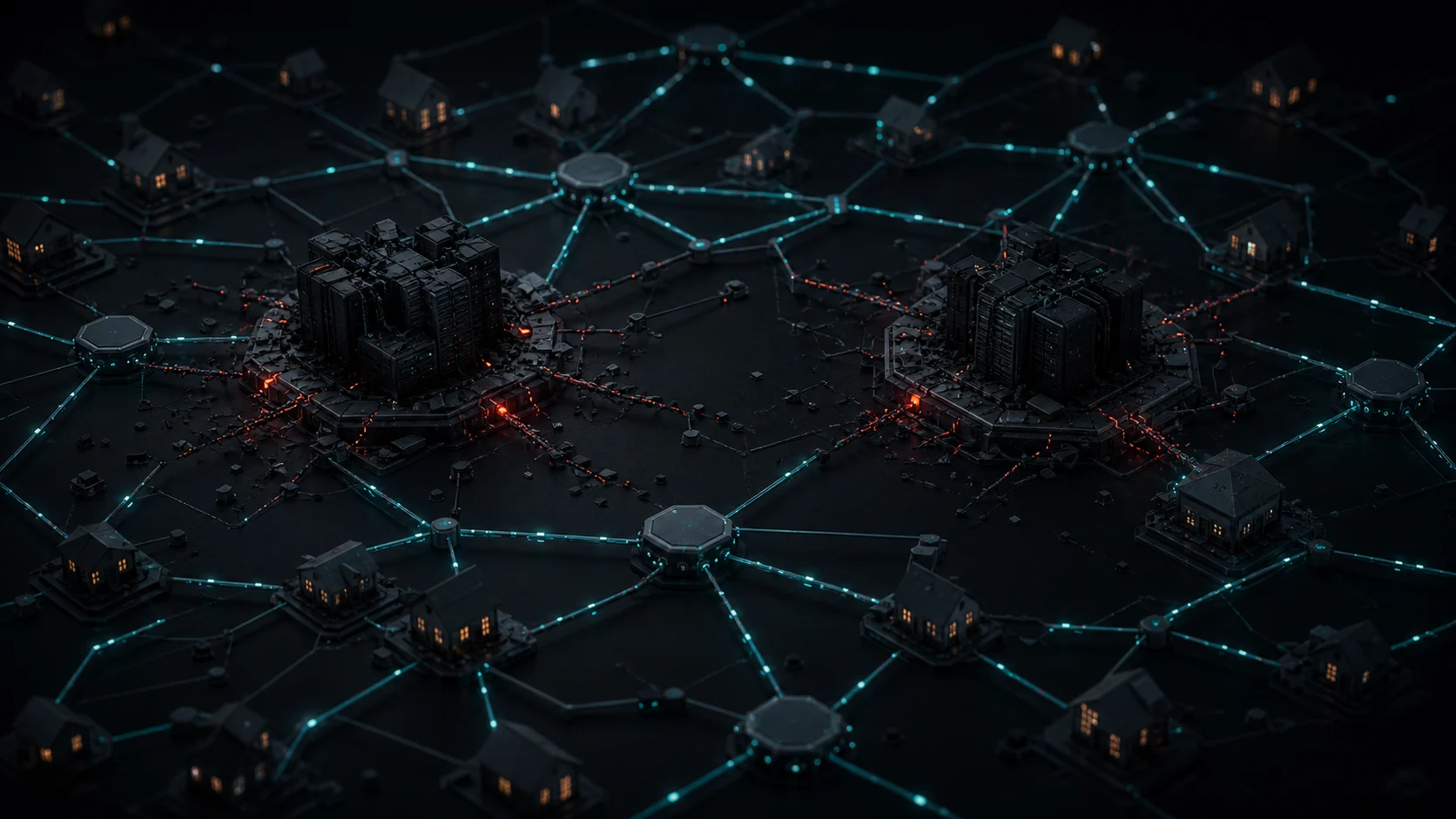
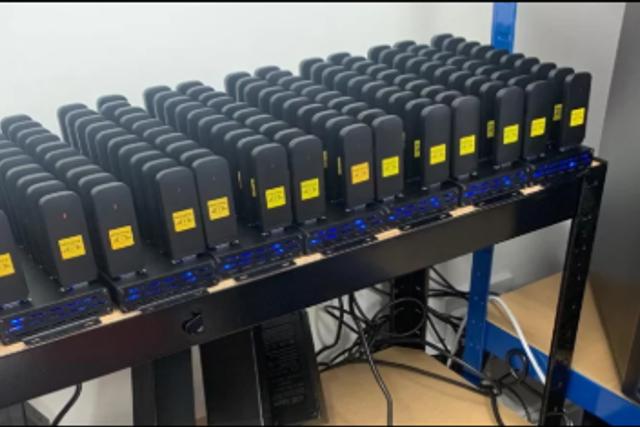
Distributed Denial of Service (DDoS) attack bots and botnets are made up of thousands of compromised computers or Internet of Things (IoT) devices called "zombies". They can slow down a website or take it offline completely by flooding sites with massive amounts of artificially generated traffic. Researchers have found cybercriminals advertising DDoS services on the dark web with basic fees to attack unprotected sites ranging from $50 to $100, while an attack on a protected site can reach $400 or more.
Ticket Scalping Bots
Ticket scalping bots automatically buy tickets, enabling malicious users to resell them at a higher price. Examples include using a bot to purchase concert tickets for major events the minute they go on sale.
Fake Account Creation Bots
Fake Account Creation bots create fake accounts for criminal activities such as content spam, cryptocurrency laundering and malware distribution. Fake accounts can compromise brands and attack users with malware such as ransomware.
Hacker Bots
Hacker bots can distribute malware, attack websites and compromise entire networks by exploiting security vulnerabilities and injecting code into victim sites. Hacker bots can also perform DDoS attacks across web proxies with browser-like signatures to disrupt business operations.
Impersonator Bots
Impersonator bots copy human computer interactions and behaviours to fool users and bot mitigation defences while they conduct malicious activity. Impersonator bots also include propaganda bots that influence political opinions on platforms such as Facebook and Twitter. According to researchers at the University of Southern California who studied bot use during the 2016 U.S. Presidential election, “the presence of social media bots can indeed negatively affect democratic political discussion rather than improving it, which in turn can potentially alter public opinion.”
The Growing Threat
A report from Imperva found that roughly one-quarter of all website traffic in 2019 originated from bad bots, an increase of 18% over 2018. 75% of that bad bot traffic is made up by Advanced persistent bots (APBs) that attempt to evade detection by cycling through random IP addresses, using anonymous proxies, and changing their identities. The industries hardest hit by bad bots in 2019 included financial services, education, ecommerce and government, as well as media and airlines.
Companies offering "Bad Bots as-a-Service"* are also gaining ground. These data scraping services sell bots as easy-to-use packaged products that provide pricing and competitive intelligence, alternative data for finance, or competitive insights managed by Web Data Extraction Specialists and Data Scraping Specialists.
Malicious bot-for-hire services also offer personal and financial data harvesting, brute-force login services, ad click fraud, spamming services, transaction fraud services, and Distributed Denial of Service (DDoS) attacks.
Final Thoughts
Bad bot activity continues to increase, so websites need security controls that can identify and stop them. Our next article on bots will go over the common countermeasures used to combat bad bots.