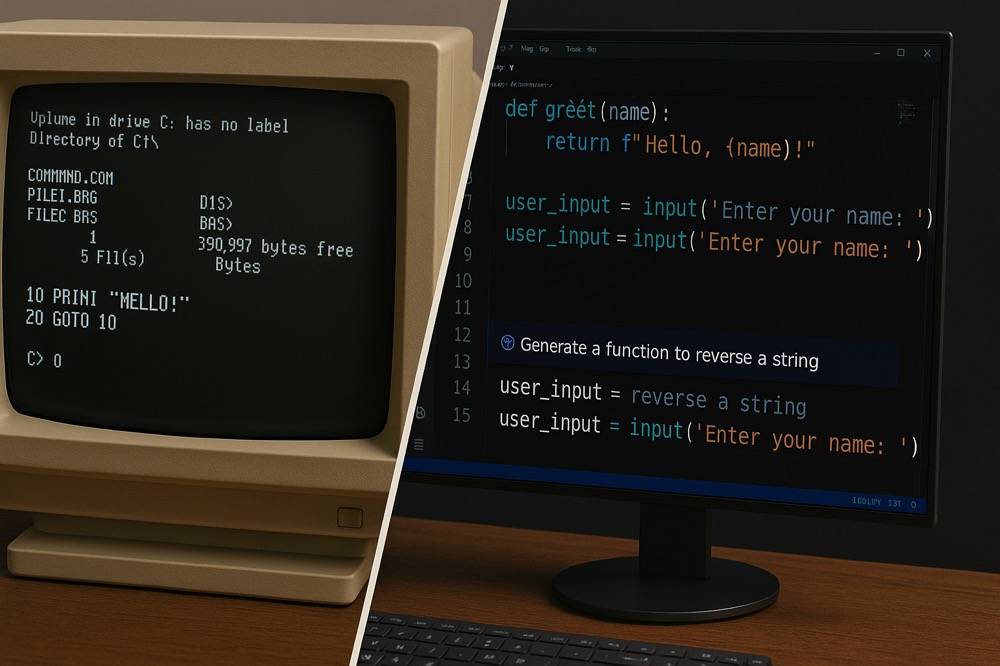

Open reasoning models change how we need to think about automation and security. Looking at models like DeepSeek, the important shift is not another small gain in AI capability. It is the move towards autonomous agents that can plan, reason, and adapt without human guidance.
This became clear while analysing recent credential stuffing attacks. The patterns showed attackers using AI agents to probe systems, identify vulnerabilities, and craft custom exploits. These were not pre-programmed scripts following rigid rules. They were agents making decisions based on the system's responses.
The implications go beyond security. Consider how marketing teams usually approach A/B testing and campaign optimisation. Most tools and frameworks assume automation follows fixed paths: if this happens, do that. Reasoning models do not fit that model. They can work without predefined decision trees or explicit step-by-step instructions. They observe, learn, and create their own strategies.
This forces us to rethink basic assumptions about digital interactions. When an API call could come from an AI agent rather than a script, how do we distinguish friend from foe? Traditional markers such as request patterns, user agents, and IP addresses carry less weight when an agent can analyse and adapt to detection methods.
The same problem applies to customer engagement. Marketing funnels designed for human decision-making now face AI agents that can evaluate options systematically, compare alternatives across multiple sources, and make optimised choices. The customer journey stops being a neat linear path and becomes a space where AI agents operate alongside human users.
Reasoning models also challenge the way we approach bot management. Traditional methods focus on identifying automated behaviour: patterns that deviate from human norms. But what happens when AI agents can mimic human behaviour while operating at machine speed? The line between human and automated traffic becomes harder to draw.
Through conversations with security teams, I have seen this pattern emerge. They report sophisticated attacks that adapt in real-time, probing defences and adjusting tactics based on system responses. These are not pre-programmed behaviours. They are reasoning models understanding and responding to defensive measures.
The business impact extends beyond security. Companies need to adapt digital infrastructure for a world where AI agents become primary users. That means rethinking API design, service architecture, and customer interaction models. The question is not whether to support AI agents, but how to do it safely and effectively.
Authentication is a good example. Traditional systems often rely on proving human presence through CAPTCHAs, behaviour analysis, and device fingerprinting. In a world of reasoning models, we need approaches that focus on intent and trust rather than a simple human versus machine test.
The path forward is a shift in perspective. Rather than only trying to block or restrict AI agents, we need systems that can interact with them safely. That means moving from static rule-based security to contextual analysis that understands and adapts to agent behaviour.
The strategic implications for businesses are significant. Success in this environment requires a clear understanding of how reasoning models operate. Companies must redesign digital interfaces to support both human and AI interactions while maintaining security and control.
From my analysis of current trends, this change is accelerating. Each advance in reasoning models expands their capability and autonomy. Organisations that adapt their strategies now will be better positioned as this digital environment changes.
The rise of reasoning models is more than another technology upgrade. It changes how we approach automation, security, and digital interaction. Organisations need systems capable of engaging safely and effectively with autonomous AI agents.
The question is not whether reasoning models will change business operations. They already are. The practical question is how quickly organisations can adapt their strategies and infrastructure, and whether they can do it without losing control of trust, security, and user experience.